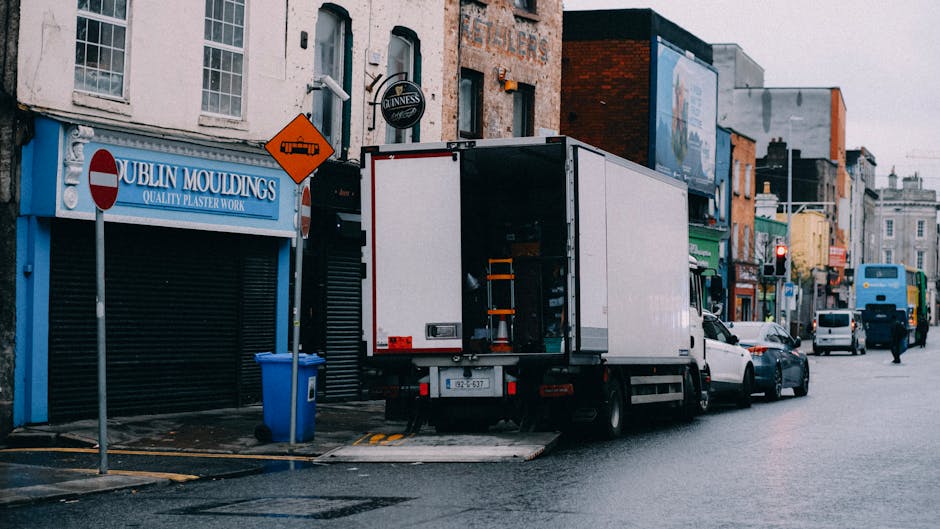
Dublin 2 Apartment Removals for Narrow Stairs and Lifts: A Practical Guide to Moving Without the Stress
Moving out of an apartment sounds straightforward until you meet the realities of Dublin 2: tight stairwells, small landings, awkward lift dimensions, shared entrances, and the kind of corners that seem designed to catch a sofa at exactly the wrong angle. If you are planning Dublin 2 apartment removals for narrow stairs and lifts, the difference between a calm move and a fraught one usually comes down to preparation, timing, and choosing the right approach for the building you live in.
This guide walks you through what actually matters on moving day, how apartment removals work in compact buildings, what can go wrong, and how to reduce the chances of damage, delays, or a lot of back-and-forth on a stairwell. You will also find a checklist, a comparison table, and a realistic example from the sort of move many Dublin 2 residents face. Let's face it, nobody wants to be balancing a wardrobe in a hallway while a lift door keeps reopening.
For readers comparing removal options, you may also find it useful to look at our broader home moves and man and van pages, especially if your apartment move includes a smaller load or a tricky access route.
Table of Contents
- Why Dublin 2 apartment removals for narrow stairs and lifts Matters
- How Dublin 2 apartment removals for narrow stairs and lifts Works
- Key Benefits and Practical Advantages
- Who This Is For and When It Makes Sense
- Step-by-Step Guidance
- Expert Tips for Better Results
- Common Mistakes to Avoid
- Tools, Resources and Recommendations
- Law, Compliance, Standards, or Best Practice
- Options, Methods, or Comparison Table
- Case Study or Real-World Example
- Practical Checklist
- Conclusion
- Frequently Asked Questions
Why Dublin 2 apartment removals for narrow stairs and lifts Matters
Dublin 2 is full of apartment buildings that were not designed with modern furniture, oversized mattresses, or today's flat-pack ambitions in mind. Older staircases can be steep and narrow. Newer buildings may have lifts, but the lift itself can be too small for larger items, or the lift lobby may have limited turning space. That combination makes apartment removals a planning exercise, not just a lifting job.
Why does this matter so much? Because access is often the real job. The item may be light enough, but if the route is awkward, the move can become slow, risky, and frustrating. A clean, well-planned removal protects the building, the furniture, and the people carrying it. It also helps reduce noise and disruption for neighbours, which is a big deal in shared apartment blocks where people are trying to get on with their day.
In our experience, most problems happen before the first box is lifted. The move looked simple on paper, then the sofa arrived at the landing and suddenly everyone was discussing angles, hand placements, and whether the lift was actually bigger than it looked. That is exactly why proper access planning matters.
Expert summary: In compact Dublin 2 apartments, the safest and most efficient removals start with measuring the route, not the room. Stairs, corners, lift size, parking access, and door clearances can matter more than the amount of furniture itself.
How Dublin 2 apartment removals for narrow stairs and lifts Works
A good apartment removal starts with understanding the property. The removal team will usually want to know the floor level, whether there is a lift, how wide the stairs are, if there are any sharp turns, and how close the vehicle can get to the entrance. These details help determine the best vehicle size, the number of movers needed, and whether any items need to be dismantled in advance.
The process is usually simple in principle, though not always simple in practice:
- Pre-move assessment. You share details about the building, access points, parking, and the furniture that needs moving.
- Planning the route. The team decides whether the lift can be used, whether bulky items need to go down stairs, and whether anything should be wrapped or dismantled first.
- Protecting surfaces. Floors, banisters, doorframes, and lift interiors may need covering to reduce scuffs and scratches.
- Loading in the right order. Heavier or awkward pieces are handled strategically so they do not block the stairwell or create bottlenecks.
- Careful transport. Boxes and furniture are moved to the vehicle and secured for transit.
If your move needs a broader packing plan, it is worth reading about packing and unpacking services. A lot of apartment moves go more smoothly when fragile items are packed first and bulky pieces are prepared in advance.
There is also a practical distinction between using a lift and relying on stairs. A lift sounds easier, but only if the item fits, the lift is reliable, and the building management is happy with the planned use. Stairs can be more predictable, but they require careful handling and more physical effort. Sometimes the best answer is a blend of both. A wardrobe may go via the lift, while smaller items are taken down the stairs to keep everything moving.
Key Benefits and Practical Advantages
When apartment removals are planned properly, the benefits show up quickly. The move feels calmer, the building stays in better condition, and the risk of those awful little surprises drops off. You know the ones: the mattress that will not turn, the mirror that is suddenly too wide, the lift that is technically working but only for one person at a time.
- Less risk of damage. Careful handling protects furniture, walls, floors, lift panels, and stair rails.
- Better time control. A clear plan reduces waiting, re-checking measurements, and awkward pauses in the hallway.
- Improved safety. Narrow stairs and lifts are easier to manage when the route has been thought through properly.
- Less stress for you. You are not left making last-minute decisions while a heavy item is already halfway out the door.
- More efficient use of labour. The right team size and equipment reduce wasted effort.
There is another benefit that people sometimes overlook: good planning helps with neighbour relations. Shared access can be a bit sensitive in apartment buildings, especially in busier parts of Dublin 2. If the move is quick, tidy, and respectful, everyone's day is easier. That matters more than people admit.
For larger household moves, you may also want to explore our house removals and house movers pages, which explain how different move sizes are handled.
Who This Is For and When It Makes Sense
This type of service is ideal for anyone living in a Dublin 2 apartment, studio, or flat with restricted access. It is especially useful if you are moving from a top-floor apartment, a building with a small lift, or a property with older staircases and tight bends. Truth be told, that covers more people than you might expect.
It makes sense if you are moving:
- from an upper-floor apartment with a narrow stairwell
- into or out of a building with a compact lift
- with furniture that is bulky, delicate, or awkwardly shaped
- with limited parking or restricted loading access outside
- on a timetable that needs to be kept tight
- with shared access where noise and disruption need to be kept low
It can also be the right choice for renters, first-time buyers, landlords preparing a property, and professionals who need a move handled efficiently in the middle of a busy week. If you are trying to shift between meetings, boxes, and a lift that keeps dinging at random, you are not alone. Happens all the time.
Step-by-Step Guidance
If you want the move to feel manageable, break it down into steps. A narrow stairwell is much less intimidating when the planning is done properly.
1. Measure the awkward stuff first
Measure furniture, doorways, stair widths, turn points, and the lift interior. Do not forget height clearances. Sometimes the problem is not the width, but the angle. A sofa that looks perfectly reasonable in the living room can become a different beast on the stair landing.
2. Decide what should be dismantled
Bed frames, table legs, shelving units, and some wardrobes are often easier to move when partially taken apart. This is not about making more work; it is about reducing the chance of forcing items through tight spaces and causing damage.
3. Reserve the route
If your building needs lift booking, access permissions, or notice to management, sort that early. A ten-minute delay in a busy apartment block can become a much bigger issue if the lift is shared or if another resident needs access. A little admin saves a lot of grumbling.
4. Pack for shape, not just for volume
Heavy boxes are one thing, but awkwardly packed boxes are another. Use smaller boxes for books and dense items. Keep fragile items cushioned and clearly labelled. Shape matters in narrow spaces because items need to be turned, tilted, and sometimes carried close to the body.
5. Protect the route
Cover floors where possible, especially if you have polished wood, tile, or soft hallway finishes. Banisters, corners, and lift interiors may also need protection. This is one of those small details that prevents bigger headaches later.
6. Load in a logical order
Start with the biggest challenges. If the sofa or mattress is likely to be the hardest item, deal with it while everyone is fresh and focused. Do not leave the awkward thing until the end when people are tired and the corridor is already cluttered with empty boxes.
7. Check the final space before leaving
Do a quick walk-through. Check for forgotten drawers, chargers, keys, and bits tucked behind radiators. Apartment moves have a sneaky habit of hiding the one thing you need most after you have already locked the door.
Expert Tips for Better Results
Small decisions make a big difference here. You do not need to overhaul the whole move; just get the details right.
- Book the move earlier in the day. Morning access can be easier, and everyone is usually less rushed.
- Keep one person responsible for decisions. Too many voices in a tight hallway is chaos, frankly.
- Wrap corners and fragile edges. A chipped table edge or scratched wall is the classic avoidable annoyance.
- Use clear labels on boxes. That helps when items need to be stacked in a specific order around limited space.
- Leave a path to the door. Even a small hallway can become a bottleneck if shoes, bags, and loose bits are in the way.
- Think about sound. In apartment blocks, moving at a sensible pace and avoiding unnecessary banging makes a real difference.
A simple but very effective tip: take a photo of the stairwell, lift entrance, and any tight corners before moving day. It sounds almost too basic, but those photos can help you and the movers judge the route in advance.
If you need a flexible vehicle option for a smaller or partially dismantled load, moving van and removal van options can suit certain apartment moves where access is tight but the volume is manageable.
Common Mistakes to Avoid
The biggest mistakes are usually the ones people make because they are trying to save time. Ironically, they usually cost time.
- Not checking measurements properly. Guessing the width of a lift or stairwell is a gamble, not a plan.
- Forgetting about turns and landings. A straight measurement means very little if the route bends sharply.
- Assuming the lift can take everything. Lift dimensions, weight limits, and door openings all matter.
- Leaving packing until the last minute. That is how fragile items get stuffed into oversized boxes and then everyone becomes nervous.
- Blocking communal areas. It can slow the move and annoy neighbours.
- Ignoring dismantling needs. Sometimes a bed frame just needs to come apart. No drama, just reality.
One more common issue: people underestimate the effort involved in carrying items down several flights of stairs. Even when the furniture is not especially heavy, the shape and repetition can make it exhausting. By mid-afternoon, the hallway feels longer than it did at 8 a.m. That is just how it goes.
Tools, Resources and Recommendations
You do not need specialist equipment for every apartment move, but the right tools help a great deal. At minimum, you want a proper tape measure, protective wrapping, good gloves, and sturdy packing materials. If the move involves delicate or heavy items, a trolley or dolly can make life easier, provided the stairwell and lift are suitable.
Useful items to have ready include:
- measuring tape
- furniture blankets
- bubble wrap or similar protective wrap
- strong packing tape
- marker pens and labels
- gloves with grip
- small toolkit for dismantling
- door and floor protection where appropriate
If your move is part of a broader residential change, the general advice on our removals page may also help you think through the overall process. For readers looking for pricing context, our pricing and quotes page explains how quotes are usually approached.
One quiet recommendation: keep a small essentials bag with documents, chargers, medication, keys, and a bottle of water. It sounds obvious, but on moving day obvious things are the easiest to forget. And of course they are the things you want first.
Law, Compliance, Standards, or Best Practice
Apartment removals are not usually about complex legal issues, but there are still sensible standards and duties to keep in mind. In shared buildings, you should respect lease or building rules about lift bookings, loading bays, noise, and access times. If a building manager asks for advance notice or proof of insurance, that is normal rather than awkward.
From a best-practice point of view, movers should work in a way that reduces risk to people and property. That means sensible lifting, route checks, clear communication, and careful handling of sharp edges or heavy items. If a move involves multiple flights of stairs or difficult manual handling, planning becomes part of safety, not just convenience.
It is also wise to understand the basics of insurance and liability. Accidents are rare when a job is handled properly, but they can happen in tight spaces. Our insurance and safety page and health and safety policy page give a clearer picture of the standards behind a responsible move.
For customers who want reassurance around business practices, the pages on terms and conditions, privacy policy, and payment and security are also useful. They help set expectations before moving day, which is always a good thing.
Options, Methods, or Comparison Table
Different apartment moves call for different methods. The best choice depends on the building, the furniture, and how much time you have.
| Method | Best for | Pros | Limitations |
|---|---|---|---|
| Lift-only move | Compact items and buildings with adequate lift space | Less physical strain, faster for multiple small items | Not suitable for bulky furniture or restricted lift access |
| Stairs-only move | Buildings with poor or unavailable lift access | Predictable route, no waiting for lift availability | Harder work, more handling risk, slower for heavy items |
| Mixed approach | Most Dublin 2 apartment removals | Flexible, practical, often the most efficient | Requires better planning and coordination |
| Dismantle-and-move | Large furniture in tight buildings | Makes awkward items easier to handle | Takes time and may need reassembly later |
For many residents, the mixed approach is the sweet spot. You use the lift where it genuinely helps, and the stairs where they make more sense. Not everything has to be forced into one method. That is usually where people get into trouble.
Case Study or Real-World Example
Imagine a two-bedroom apartment near the city centre with one small lift and a narrow stairwell. The lift fits boxes, a chair, and smaller dismantled furniture, but not the sofa. The hallway is shared, parking is limited, and the move needs to happen on a weekday morning.
The team begins by measuring the sofa, lift entrance, and stair landing. They decide the sofa should be wrapped, turned on its end for the narrowest section, and moved with two people on the main carry points. Smaller boxes go in the lift to keep the stairwell clear. The bed frame is dismantled beforehand, which saves time and avoids a lot of unnecessary lifting.
What made the difference? Not brute strength. Planning. The move stayed orderly because the access route was treated like the main task, not an afterthought. The flat was emptied without damaging the stair rail, and the building manager did not need to intervene. That is a good day, honestly.
It is a simple example, but it reflects the kind of real-world thinking that makes apartment removals smoother in Dublin 2.
Practical Checklist
Use this checklist before moving day. It is not glamorous, but it works.
- Measure furniture, doorways, stairwells, and lift dimensions
- Check whether the lift must be booked in advance
- Confirm parking or loading access close to the building
- Tell the movers about any narrow corners, low ceilings, or awkward turns
- Dismantle furniture that is likely to snag or tilt badly
- Pack fragile items securely and label boxes clearly
- Protect floors, banisters, and vulnerable surfaces where needed
- Prepare an essentials bag for the first 24 hours
- Keep communal areas clear and avoid blocking neighbours
- Do one last sweep for keys, documents, and chargers
If you want a more general overview of moving options, the removal company and removal services pages can help you think through the wider service picture.
Get a free quote today and see how much you can save.
Conclusion
Dublin 2 apartment removals for narrow stairs and lifts do not have to be a headache. The key is to treat access as the heart of the move. Measure carefully, plan the route, protect the building, and choose a method that suits the property rather than forcing a one-size-fits-all approach.
When those pieces are in place, the whole thing becomes much more manageable. The furniture gets out safely, the hallway stays intact, and you get to breathe again. Small victory, but a real one.
If you are weighing up your next steps, start with the access details, then build the rest of the move around them. That is usually where the calm begins.
Frequently Asked Questions
How do I know if my lift is big enough for apartment removals?
Measure the lift interior, the doorway opening, and the height clearance, then compare those figures with your largest furniture items. If in doubt, assume the item needs extra care or partial dismantling rather than hoping it will just fit.
What should I do if my apartment stairwell is very narrow?
Measure the tightest point, the landings, and any bends. Then tell the removal team exactly where the problem areas are. Narrow stairwells usually need careful planning, protective wrapping, and sometimes partial dismantling of furniture.
Can a sofa be moved through a small lift?
Sometimes yes, sometimes no. It depends on the sofa size, lift opening, and interior space. A modular sofa or one with removable legs is far easier than a solid one-piece design.
Is it better to use the stairs or the lift?
It depends on the building and the item. Lifts are often better for boxes and smaller pieces, while stairs may be the only option for bulky items that do not fit. Many apartment moves use both.
How far in advance should I book a Dublin 2 apartment removal?
As early as you reasonably can, especially if your building has lift booking rules or limited parking. Early planning gives you more control over timing and reduces last-minute stress.
What items usually need dismantling before the move?
Beds, shelving, some wardrobes, table legs, and certain desks are commonly dismantled to make them safer to move through tight access points. Not everything needs to come apart, but larger furniture often benefits from it.
How can I protect my building during the move?
Use floor protection, wrap vulnerable furniture edges, avoid dragging items, and keep communal spaces clear. A careful move is usually noticed by how little evidence it leaves behind.
Are apartment removals more expensive because of narrow stairs and lifts?
They can be, if the access makes the job slower or requires more hands, more time, or more preparation. The exact cost depends on the load, the building, and the amount of handling involved.
What should I tell the removal company before moving day?
Tell them the floor level, whether there is a lift, the approximate stair width, parking restrictions, and which items are the most awkward. The more accurate the access details, the better the plan.
Do I need to be present during the move?
It is usually wise to be there at the start and end, especially in an apartment building where access decisions may come up quickly. If you cannot stay the whole time, make sure someone responsible is available.
What happens if the lift breaks on moving day?
A good team will adapt and switch to stairs, reschedule awkward items, or adjust the loading plan. It is not ideal, of course, but a flexible plan helps keep the move moving.
How do I make moving day less stressful in a city-centre apartment?
Prepare early, keep the route clear, label boxes, and keep essentials separate. City-centre moves can feel busy and a bit noisy, but a solid plan takes a lot of pressure off you.
And if you are still feeling a bit overwhelmed, that is normal. Apartment moves with narrow stairs and small lifts are genuinely fiddly. The good news is that with the right preparation, they are absolutely manageable, even in a busy Dublin 2 building on a slightly grey morning when everyone seems to want the lift at the same time.