Movers in Ireland: Local Moving Services for Homes and Businesses
Reliable moving support across Ireland

If you are looking for Movers in Ireland, you are probably planning a move that needs to feel organised, safe, and as stress-free as possible. Whether you are relocating from a city apartment, a suburban family home, a rural property, or a commercial unit, the right moving team can make a major difference. A well-run move is not just about lifting furniture; it is about timing, access, planning, packing, protection, and careful handling from start to finish.
In Ireland, every move comes with its own practical challenges. Narrow streets in older towns, parking restrictions in Dublin and other urban centres, apartment stairwells, lift access, terraced houses, and weather that can change quickly all affect how a move should be managed. That is why local knowledge matters. A team that understands Irish property layouts, road access, and moving conditions can save time, reduce stress, and protect your belongings more effectively.
From single-item transport to full house removals and office relocation support, local movers can tailor the service to your needs. The best providers focus on careful planning, clear communication, and efficient loading so that your move stays on track. If you are preparing to relocate soon, it is worth understanding what a local moving service can include and how to choose one that suits your household or business.
Why people choose local movers across Irish towns and cities

People book moving services for many different reasons. Some are moving within the same area, such as from one part of Cork to another, or between neighbourhoods in Galway, Limerick, Waterford, or Dublin. Others are heading to a new county, moving into a new build on the edge of town, or settling into a country home where access can be more challenging. A local moving team can adapt to these different situations with the right vehicle size, crew level, and moving plan.
For households, a move often involves more than just boxes and furniture. Families may need help with wardrobes, beds, white goods, fragile items, garden equipment, and the safe transport of items that have been in the home for years. For businesses, the priorities may include minimising downtime, moving files or stock securely, and keeping workstations, desks, and IT equipment organised so that operations can resume quickly.
Choosing movers in Ireland who understand local conditions is useful because they are used to real-world issues that can affect timing. These include apartment loading bays, limited street parking, rural lanes, ferry routes for island or cross-regional moves, and access constraints in older buildings. A local team can plan around these factors in a practical way, rather than treating every job the same.
What a moving service can include
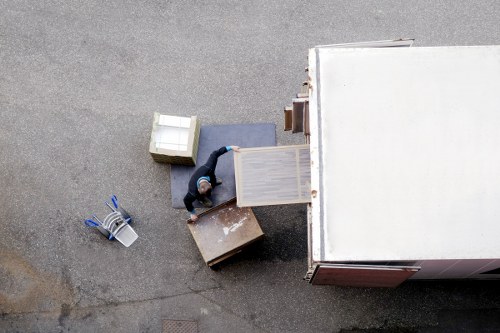
Every move is different, so it helps to know what may be included when you book a removal service. Some customers want full support from packing to placement in the new property. Others only need transport and loading help. A good local moving company should be able to discuss your requirements and shape the service around your timeline and property type.
Common moving services may include home removals, furniture collection and delivery, office moves, apartment relocations, student moves, and assistance with heavier or awkward items. Depending on the provider, you may also be able to request packing materials, protective wrapping, dismantling and reassembly of selected furniture, and careful placement of boxes and furniture in the correct rooms at your destination.
It is also common for movers to support customers with storage transfers, part-load moves, and moving day coordination for properties with tight access. If you are moving from a top-floor apartment or a house with narrow hallways, a team that arrives prepared with the right equipment can make the process much smoother. Not every move needs a huge crew, but every move does need planning.
How the moving process works
From first enquiry to moving day
A well-managed move usually follows a clear process. This helps you prepare properly and gives the movers the information they need to complete the job efficiently. The more accurate the details you provide in advance, the better the service can be tailored to your property and schedule.
Typically, the process begins with an enquiry or quote request. You will usually be asked about the type of property, the volume of items to move, whether packing is needed, what access is like at both addresses, and whether there are any fragile, heavy, or specialist items involved. This helps the team assess the right vehicle, equipment, and manpower.
Once the move is booked, you can prepare by organising your items, labelling boxes clearly, and identifying anything that requires special handling. On moving day, the crew will arrive, protect the necessary furniture and surfaces, load items carefully, transport them safely, and place them where needed at the new location. In many cases, the best moving teams also help make sure the unload is organised room by room.
What makes a local Irish moving team especially useful

There is real value in working with movers who know Ireland well. A local crew understands the practical side of moving in towns, cities, and rural parts of the country. They know that some streets are hard to access at certain times of day, that apartment blocks may have specific loading requirements, and that older houses can have tricky stairs or compact doorways.
This local knowledge can save time and reduce disruption. It also helps when planning the size of the vehicle or deciding whether multiple trips may be needed. For customers moving in busy areas such as Dublin city centre, parts of Cork city, or dense residential neighbourhoods in Limerick and Galway, access and parking are often just as important as the lifting itself.
In more rural counties, the challenge may be different. Long driveways, farm entrances, narrow roads, and properties set back from the main road require a practical approach. A local moving company that understands these conditions can plan the route, timing, and loading process in a way that works for your property and your schedule.
Types of customers we help
Residential and commercial moves
Movers in Ireland work with a wide range of customers, and the needs of each group are different. Residential customers often want a smooth, careful house move with minimal disruption to family life. Commercial customers may need a move outside business hours, a staged relocation, or help moving stock and equipment without interrupting operations for too long.
Residential moves can include:
- First homes and starter apartments
- Family houses and townhouses
- Retirement moves and downsizing
- Student accommodation moves
- Moves between counties or within the same town
Commercial moves can include:
- Office relocations
- Retail shop moves
- Warehouse transfers
- Equipment and stock transport
- Small business moves with minimal downtime
Whether you are moving a home or a workplace, the goal is the same: get everything moved safely, efficiently, and in an order that makes the new space usable as quickly as possible.
Common moving challenges in Ireland

Irish properties can present moving challenges that are easy to overlook until moving day arrives. Apartment buildings often require booking a lift or following loading procedures. Older terraces can have steep stairs and limited front access. Newer housing estates may have tight parking spaces, shared entrances, or winding roads that make vehicle positioning important.
Weather is also part of the picture. Rain, wind, and slippery surfaces can affect how items are carried and protected. Good movers use sensible protective measures and work carefully so that furniture, floors, and walls are kept in better condition throughout the move. When the route between the property and the vehicle is awkward, extra preparation can prevent damage and delays.
Another common issue is timing. Keys may be collected later than expected, or the move-in time may be delayed. A flexible and organised moving team can adapt more easily than someone trying to handle everything alone. That flexibility is especially useful when you are juggling solicitors, landlords, estate agents, or building management schedules.
What to look for when choosing movers in Ireland
Practical signs of a good service
When comparing moving companies, it helps to focus on practical service quality rather than flashy promises. A good mover should be clear about what is included, how the day will run, what information they need from you, and how they handle items that require extra care. Clarity before the move usually means less stress during the move.
Look for signs such as:
- Clear communication and straightforward booking
- Experience with homes, apartments, and business premises
- Understanding of access, parking, and loading conditions
- Careful handling of furniture and delicate items
- Ability to discuss the right vehicle and crew size for your move
- Support with packing, protection, or dismantling if needed
It is also sensible to choose a team that asks detailed questions about your move. This shows they are thinking ahead. If a mover wants to know about stairs, lift access, distance from the property to the van, and any oversized items, that is usually a good sign. It means they are planning for the realities of the job rather than assuming everything will be easy on the day.
Preparation checklist before moving day
Simple steps that make a big difference
A little preparation can save time and reduce stress when the movers arrive. You do not need to do everything at once, but a structured checklist can help you stay on top of the important details. This is especially useful if you are moving with children, coordinating around work, or dealing with a short turnaround between leaving one property and entering another.
Before the move, consider the following checklist:
- Sort items into keep, donate, recycle, and move categories.
- Pack non-essential items in advance and label boxes by room.
- Set aside valuables, documents, medication, and essentials separately.
- Empty and defrost fridges or freezers if needed.
- Disconnect appliances safely and check whether they need special handling.
- Measure larger furniture and check doorway or stair access.
- Reserve parking if your area requires it and if this is possible.
- Tell the movers about any fragile, bulky, or awkward items.
Good preparation does not have to be complicated. Even a few simple decisions made early can make the loading and unloading process much more efficient.
Pricing factors to consider
Customers often want to know what affects the cost of a moving service. While exact pricing depends on the job, there are several common factors that usually influence the final quote. Understanding these helps you compare services more fairly and avoid surprises.
Typical pricing factors include the size of the move, the number of rooms or items, travel distance, access conditions, packing requirements, and whether specialist handling is needed for heavy or fragile pieces. Moves that involve multiple floors, limited parking, or long carrying distances may take more time and labour, which can affect the price.
Other possible factors include the need for dismantling and reassembly, the use of packing supplies, and whether the move is happening at a busy time of week or month. For example, end-of-month moves, weekend moves, and busy relocation periods can be more in demand. The most helpful approach is to request a clear quote after sharing accurate details about both properties and the items involved.
Packing support and item protection
Keeping belongings safer from start to finish
Packing is one of the most important parts of any move. Good packing makes loading easier, protects valuables, and reduces the risk of damage in transit. Some customers prefer to pack everything themselves, while others want the movers to handle all or part of the job. Both approaches can work well if they are planned properly.
Professional movers often use protective blankets, wraps, and suitable lifting techniques to help keep furniture and surfaces safer. For delicate items, careful placement in boxes and secure stacking inside the vehicle are essential. If you have mirrors, artwork, glass tables, electronics, antiques, or sentimental items, let the team know in advance so they can plan the handling method.
Where protection matters most:
- Large wooden furniture
- Glass and fragile decor
- Mattresses and upholstered items
- Appliances and electronics
- Items with unusual shapes or finishes
Moving apartments, houses, and offices
Different properties need different approaches
Apartment moves often need more coordination than people expect. Lift bookings, security entry, hallway protection, and tight loading times can all matter. In city centres and larger towns, it is common for movers to work around controlled access, resident parking, and shared entrances. A compact van may sometimes be more practical than a larger truck, depending on the building layout.
House moves can involve larger volumes, garden items, loft contents, garage storage, and heavier furniture. In detached or semi-detached homes, there may be room for easier access, but the total amount of items can still make the move more time-consuming. A careful inventory and a realistic loading plan help keep the day efficient.
Office relocations are different again. They often need scheduling around staff availability, IT equipment, filing systems, and furniture arrangement at the new premises. For businesses, a move is not just about transport. It is about getting operations back up and running with as little disruption as possible. That is why many companies choose experienced local movers who can plan a move around business priorities.
Areas covered across Ireland
Moving needs can arise in every part of the country, from major cities to smaller towns and surrounding counties. Local movers may serve urban apartments, suburban estates, rural homes, and commercial locations across a broad area. If you are moving in or around Dublin, Cork, Galway, Limerick, Waterford, Kilkenny, Sligo, Athlone, or nearby towns and villages, a local team can often plan the move more efficiently because they understand the roads and property types involved.
Coverage can also be helpful for cross-county moves, which are very common in Ireland. You might be moving from a city flat to a house in the commuter belt, relocating from one county to another for work, or transferring business premises to a more suitable location. In these cases, flexibility and route planning matter just as much as loading and lifting.
When you enquire, it is useful to mention both the collection and delivery areas, plus any access notes for each property. That gives the movers the information they need to prepare the right service. Request a free quote when you are ready and provide as much detail as possible for an accurate response.
Frequently asked questions
Common customer questions about movers in Ireland
Do movers help with packing?
Many moving teams can assist with packing or provide packing support, depending on the service you choose. Some customers want full packing, while others only need help with fragile or difficult items.
Can movers handle apartments with stairs or lifts?
Yes, but it is important to mention this in advance. Stair access, lift availability, and any booking restrictions should be shared early so the team can prepare properly.
What if there is limited parking outside my property?
This is a very common issue in Ireland. Let the movers know about parking restrictions, loading bay rules, or street access limitations so they can plan accordingly.
Do movers take apart and reassemble furniture?
Some services include dismantling and reassembly of selected furniture, especially beds, wardrobes, and desks. Check what is included before booking so there is no confusion on the day.
Can a moving company help with office relocations?
Yes. Many teams handle commercial moves, including offices, shops, and small business premises. It is helpful to explain your opening hours, equipment, and scheduling needs early in the process.
How far in advance should I book?
It is a good idea to book as early as possible, especially during busy moving periods. If your move is time-sensitive, early booking gives you more flexibility and a better chance of securing the date you want.
Why customers continue to use professional movers
Saving time, protecting belongings, and reducing stress
Many people start a move thinking they can handle it all themselves, but quickly realise how much is involved. Packing, lifting, arranging transport, managing access, and unloading at the destination can become overwhelming, especially when working around family commitments or business deadlines. Professional movers exist to take that burden off your shoulders and make the process more manageable.
A skilled moving team can help reduce the risk of injury, protect valuable items, and keep the day moving in a steady rhythm. They know how to stack safely, carry heavy items correctly, and make decisions that help the move stay organised. That is particularly valuable if you are moving from a property with awkward access, multiple floors, or a lot of furniture.
If you want the process handled with care and efficiency, book your service now or contact us today to discuss your move. The sooner your requirements are shared, the easier it is to plan a service that suits your property, your timing, and your belongings.
Final thoughts for anyone planning a move
Moving home or relocating a business in Ireland does not have to feel chaotic. With the right planning and the right local team, the process can be far more organised and predictable. Whether you are moving across town, to another county, or into a property with more complicated access, experienced movers can help make the day run more smoothly.
When you compare services, focus on reliability, local knowledge, practical support, and clear communication. Those are the qualities that matter most when the boxes are packed and the van is waiting. A service that understands Irish homes, streets, parking rules, apartments, and business premises is often better placed to deliver the move you actually need.
If you are looking for dependable Movers in Ireland, now is a good time to plan ahead, prepare your details, and request a quote. A professional local moving service can help turn a stressful task into a structured, efficient move that fits your schedule and your property.